Must-Have Accessories for Wildlife Photography

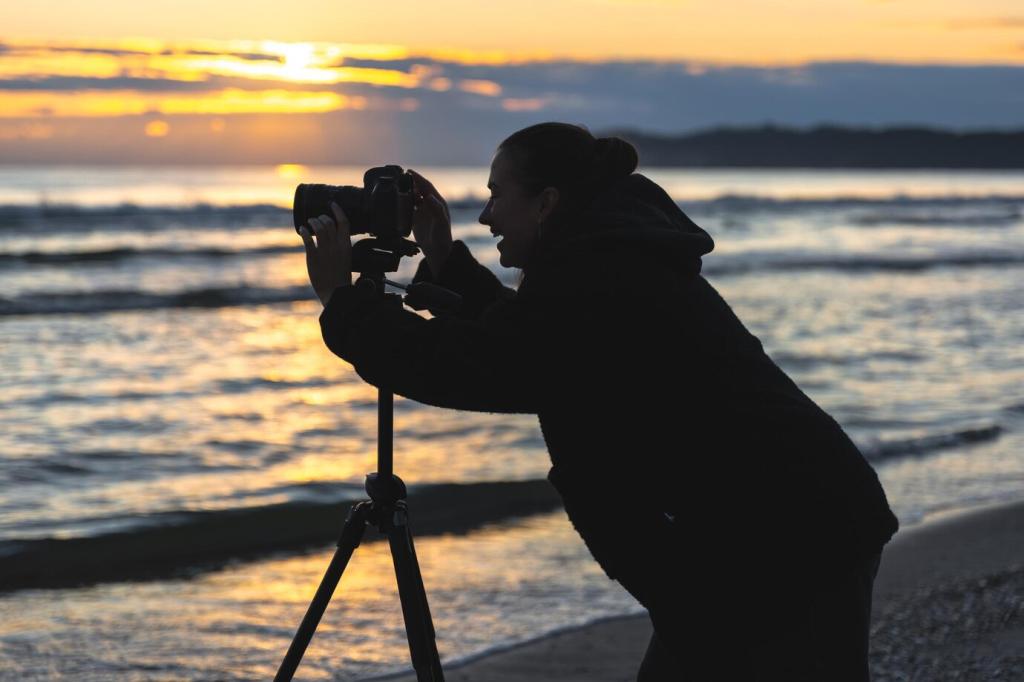
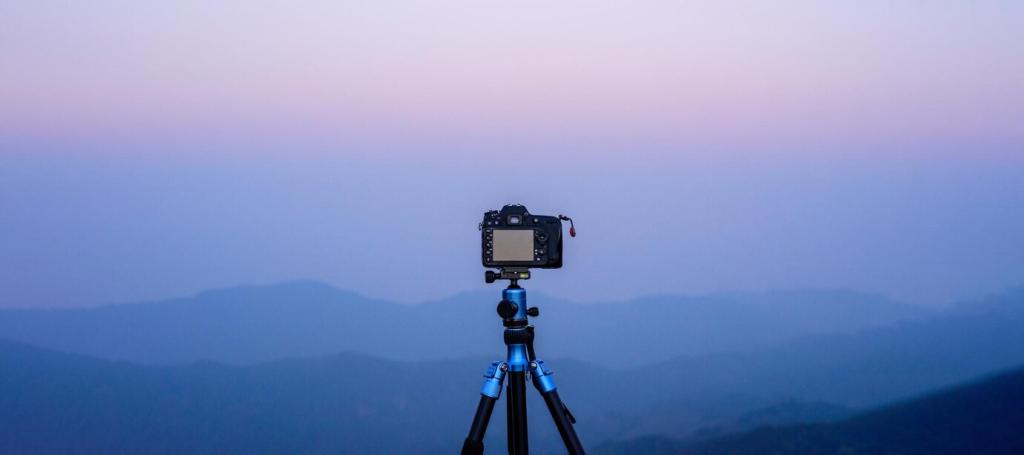
Stability You Can Trust: Tripods, Monopods, and Gimbal Heads

A balanced gimbal head lets heavy telephotos float, tracking birds in erratic flight with minimal effort. Look for smooth bearings, solid locks, and a plate system that fits your lens foot. Share which gimbal has earned your trust during fast raptor passes and unpredictable sky choreography.

Stability You Can Trust: Tripods, Monopods, and Gimbal Heads

In dense forests, a monopod is nimble, light, and surprisingly steady when braced. Pair it with a small tilt head for quick vertical adjustments. I once followed a darting woodpecker from trunk to trunk, pivoting without catching branches. What is your favorite monopod trick for close quarters?

Stability You Can Trust: Tripods, Monopods, and Gimbal Heads

Rubber feet grip rocks; spikes bite into mud or ice. Carry both to adapt quickly without missing behavior. On a marsh morning, spikes stopped my tripod from sinking, saving a perfect heron strike sequence. Comment with the feet or spikes that survive your toughest habitats.

Stability You Can Trust: Tripods, Monopods, and Gimbal Heads

Lorem ipsum dolor sit amet, consectetur adipiscing elit. Ut elit tellus, luctus nec ullamcorper mattis, pulvinar dapibus leo.
Extend Your Reach: Teleconverters and Close-Up Tools

1.4x versus 2x teleconverters in the field

A 1.4x extender offers gentler image quality loss and faster autofocus than a 2x, which demands excellent light and technique. On a sunlit lagoon, my 1.4x delivered crisp tern dives that a 2x struggled to track. Which extender do you trust for skittish subjects across open water?

Soft Support Anywhere: Bean Bags and Window Mounts

Sew a tough fabric sleeve and fill it with lightweight pellets or buckwheat hulls inside zip pouches to adjust weight. The dual-pouch cradle hugs your lens, protecting finish and balance. Share your sewing pattern or a favorite brand that has survived years of dusty dashboards.

Soft Support Anywhere: Bean Bags and Window Mounts

A padded window mount lets you shoot discreetly, using the car as a blind. One winter dusk, a short-eared owl hunted beside the road, and the cushion steadied my lens without a sound. Tell us how you keep noise down when wildlife stops you mid-commute.

Weatherproof Confidence: Rain Covers, Dry Bags, and Silica Gel

A snug rain cover with clear panels keeps controls accessible while shedding water from lens hoods. During a monsoon burst in Assam, mine kept focus rings dry long enough to capture elephants crossing misty grassland. Which cover has handled your worst squalls without fogging the viewfinder?
Rotate desiccant packs in airtight bags after damp sessions. Mark packs with dates and recharge indicators so you never guess. Once, a soggy morning threatened my teleconverter; diligent drying avoided haze. Share your humidity routine to help others facing coastal fog and rainforest drips.
Organize lenses and accessories in labeled pouches inside a roll-top dry bag. Double-check seals before boarding and keep a towel handy. A calm canoe can still splash at the worst moment. Post your river or marsh packing checklist to help newcomers stay confident on the water.

Blend In, Keep Distance: Camouflage, Hides, and Sound Dampening

Lightweight pop-up hides pitch quickly in low light and offer dark interiors for screen viewing. Set downwind, enter early, and wait. A marsh harrier once floated within thirty meters, oblivious. Tell us your favorite hide model and techniques for quiet setup on delicate ground.

Blend In, Keep Distance: Camouflage, Hides, and Sound Dampening

In many habitats, muted greens and browns blend better than busy camo patterns. Break up your silhouette, avoid shiny fabrics, and respect buffer distances. What color choices have made you invisible without overheating or spooking animals sensitive to sudden patches of contrast?

Power and Memory That Last: Batteries, Cards, and Backups

Carry at least two warm spares inside an inner pocket and rotate often. Label them clearly and log cycles. During a frosty dawn, a quick swap saved a swan taking flight through steam. What pocket system keeps your batteries warm and your hands free to shoot?
High-speed, high-capacity cards reduce buffer delays when bursts matter. Label by number and capacity, and always reformat in camera. My red-dotted card case prevents mix-ups in low light. Share your color-coding or metadata routine that keeps chaos out of the memory workflow.
A rugged SSD and a phone or small computer make quick, redundant backups at camp. Verify checksums and separate storage from the camera bag overnight. Tell us your lightweight backup recipe so no irreplaceable courtship display or rare sighting is left to chance.

Hands-Off Control: Remotes, Intervalometers, and Camera Traps

A discreet remote lets you back away while the scene unfolds. I set a lens on a perch and stepped aside; a kingfisher finally landed, unbothered by human presence. Which remote has given you reliable range and silent operation in dense, interference-prone habitats?

GPS tracks and ethical location handling

Log routes to relocate blinds and note wind patterns, but keep exact coordinates of vulnerable species private. Consider generalizing shared locations to protect habitat. How do you balance trip notes with species safety when posting trip reports or gallery captions online?

Offline maps that never quit

Pre-download satellite and topo layers for parks with spotty service. Mark water sources, vantage points, and exit routes. Offline maps once guided me back after coastal fog swallowed landmarks. Share your favorite mapping app and the layers that keep you oriented when clouds close in.
Wpdatamerge
Privacy Overview

This website uses cookies so that we can provide you with the best user experience possible. Cookie information is stored in your browser and performs functions such as recognising you when you return to our website and helping our team to understand which sections of the website you find most interesting and useful.