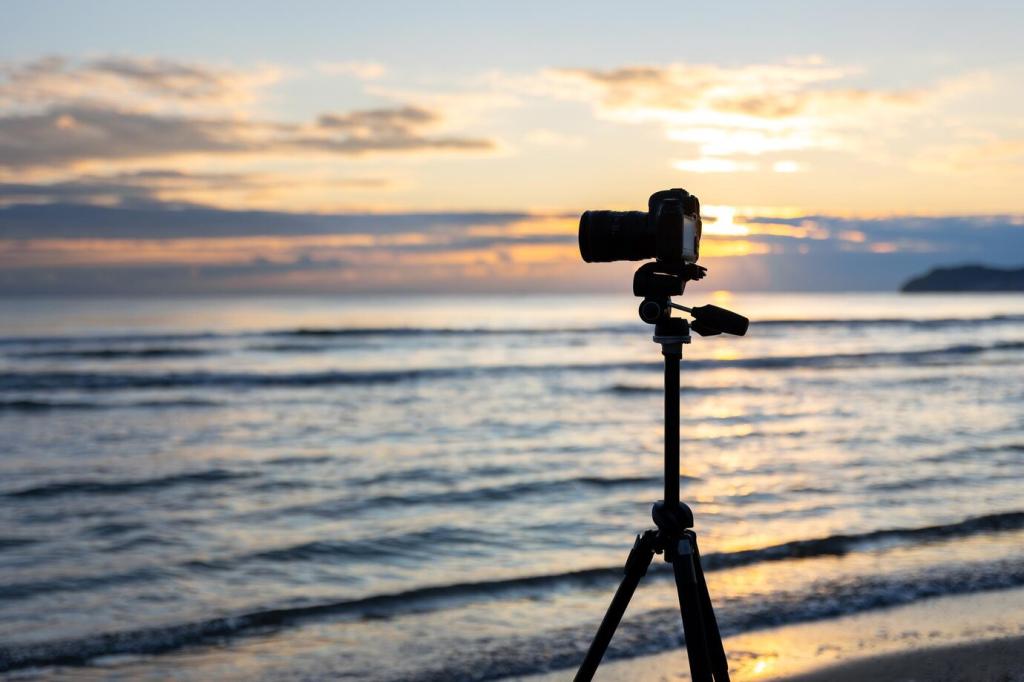
Start by exposing for the background so it tells the story you want, whether moody or bright. Then add flash as a supportive layer, shaping your subject without overpowering the scene’s character.
Shutter, aperture, and ISO—distinct roles with flash
Use shutter speed to control ambient brightness, aperture to govern flash exposure, and ISO to influence both. Once you separate these roles mentally, you’ll craft perfect shots with consistent, repeatable results.
Practice the ‘drag the shutter’ technique
Set your flash for subject clarity, then slow your shutter to invite ambient color and motion. Try 1/200, 1/60, and 1/15 seconds, compare outcomes, and post your favorite balance in the discussion.
TTL vs Manual Flash: Choosing Control for Perfect Shots
Through-the-lens metering adapts quickly at events, capturing fleeting expressions under changing light. It’s brilliant for run‑and‑gun portraits or receptions where subjects move fast and backgrounds vary constantly.
Aim your flash at a neutral wall or ceiling to enlarge the light source. Feather the angle, flag spill to avoid raccoon eyes, and compare bounce off white paint versus wood paneling to appreciate color shifts.
Use radio triggers for dependable range, set matching channels, and label groups clearly. Keep fresh batteries, test distances, and secure cords. Share your most reliable triggers and any interference fixes you’ve discovered.
Most cameras sync around 1/200–1/250 second. Exceeding that without HSS causes black bands. Lock this number into muscle memory so you avoid surprises and keep your lighting crisp and reliable.
High‑speed sync lets you shoot wide open in sun for shallow depth. But it reduces effective power. Move your light closer, use efficient modifiers, and share your favorite bright‑day portrait settings.